
 購物車
購物車 

-
青霉素【CAS 61-33-6】
NMR COA MSDS - Names:
Benzylpenicillin
- CAS號:
61-33-6
MDL Number: MFCD00069665 - MF(分子式): C16H18N2O4S MW(分子量): 334.39
- EINECS:200-506-3 Reaxys Number:
- Pubchem ID:5904 Brand:BIOFOUNT
青霉素(Benzylpenicillin,61-33-6)是一種廣譜,β-內酰胺的天然青霉素抗生素,具有抗菌活性。 青霉素G與位于細菌細胞壁內的青霉素結合蛋白(PBP)結合并使其失活。 PBP的失活會干擾細菌細胞壁強度和剛度所必需的肽聚糖鏈的交聯。 這中斷了細菌細胞壁的合成,并導致細菌細胞壁的弱化并最終引起細胞裂解。青霉素G,也稱為芐青霉素或penicillin G,屬于稱為二肽的有機化合物。這些是有機化合物,包含通過肽鍵連接的恰好兩個α-氨基酸序列。
| 貨品編碼 | 規格 | 純度 | 價格 (¥) | 現價(¥) | 特價(¥) | 庫存描述 | 數量 | 總計 (¥) |
|---|---|---|---|---|---|---|---|---|
| DBK500847-500mg | 500mg | ¥ 0.00 | ¥ 0.00 | Get quote | ¥ 0.00 | |||
| DBK500847-100mg | 100mg | ¥ 0.00 | ¥ 0.00 | Get quote | ¥ 0.00 |
| 中文別名 | 青霉素(CAS:61-33-6),芐青霉素鉀鹽,盤尼西林,青霉素,青霉素 G |
| 英文別名 | Benzylpenicillin(CAS:61-33-6),penicillin g, Benzylpenicillin, Benzylpenicillinic acid, Free penicillin II, Pencillin G, Benzylpenicillin G, Benzyl penicillin, Free penicillin G |
| CAS號 | 61-33-6 |
| Inchi | InChI=1S/C16H18N2O4S/c1-16(2)12(15(21)22)18-13(20)11(14(18)23-16)17-10(19)8-9-6-4-3-5-7-9/h3-7,11-12,14H,8H2,1-2H3,(H,17,19)(H,21,22)/t11-,12+,14-/m1/s1 |
| InchiKey | JGSARLDLIJGVTE-MBNYWOFBSA-N |
| 分子式 Formula | C16H18N2O4S |
| 分子量 Molecular Weight | 334.39 |
| 溶解度Solubility | 0.285 mg/mL |
| 性狀 | Solid |
| 儲藏條件 Storage conditions | 2-8°C |
青霉素(Benzylpenicillin,61-33-6)毒理性質:
青霉素(Benzylpenicillin,61-33-6)使用注意事項:
1.實驗前需戴好防護眼鏡,穿戴防護服和口罩,佩戴手套,避免與皮膚接觸。
2.實驗過程中如遇到有毒或者刺激性物質及有害物質產生,必要時實驗操作需要手套箱內完成以免對實驗人員造成傷害。
3.取樣品的移液槍頭需及時更換,必要時為避免交叉污染盡可能選擇濾芯吸頭。
4.稱量藥品時選用稱量紙,并無風處取藥和稱量以免揚撒,試劑的容器使用前務必確保干凈,并消毒。
5.取藥品時盡量采用多個藥勺分別使用,使用后清洗干凈。
6.實驗后產生的廢棄物需分類存儲,并交于專業生物廢氣物處理公司處理,以免造成環境污染。
大規格定制:定制產品請將信息發送至sales@bio-fount.com。
Experimental considerations:
1. Wear protective glasses, protective clothing and masks, gloves, and avoid contact with the skin during the experiment.
2. The waste generated after the experiment needs to be stored separately, and handed over to a professional biological waste gas treatment company to avoid environmental pollution.
Tag:青霉素蒸汽壓,青霉素合成,青霉素標準,青霉素應用,青霉素合成,青霉素沸點,青霉素閃點,青霉素用途,青霉素溶解度,青霉素價格,青霉素作用,青霉素結構式,青霉素用處,青霉素毒理性質,青霉素MSDS

| 動物 | 測試類型 | 途徑 | 實驗攝入量 (標準攝入量) | 影響 | 文獻來源 |
| child | TDLo | parenteral | 15000 units/kg (15000 mg/kg) | SENSE ORGANS AND SPECIAL SENSES: CHANGES IN COCHLEAR STRUCTURE OR FUNCTION: EAR; BEHAVIORAL: CONVULSIONS OR EFFECT ON SEIZURE THRESHOLD; LUNGS, THORAX, OR RESPIRATION: DYSPNEA | Lancet., 1(394), 1986 [PMID:2868336] |
| rat | LD50 | oral | 8 gm/kg (8000 mg/kg) | Antibiotics and Chemotherapy, 12(249), 1962 | |
| rat | LD50 | unreported | 9 gm/kg (9000 mg/kg) | Antibiotiki., 23(317), 1978 [PMID:646331] | |
| mouse | LD50 | oral | >5 gm/kg (5000 mg/kg) | Antimicrobial Agents and Chemotherapy, -(619), 1967 | |
| mouse | LD50 | intraperitoneal | 3500 mg/kg (3500 mg/kg) | Antimicrobial Agents and Chemotherapy, -(619), 1967 | |
| mouse | LD50 | intravenous | 329 mg/kg (329 mg/kg) | Biochemical Pharmacology., 16(1365), 1967 [PMID:6053601] | |
| mouse | LD50 | intracrebral | 5700 ug/kg (5.7 mg/kg) | BRAIN AND COVERINGS: OTHER DEGENERATIVE CHANGES | Journal of Laboratory and Clinical Medicine., 34(126), 1949 |
| mouse | LD50 | unreported | 7800 mg/kg (7800 mg/kg) | Antibiotiki., 23(317), 1978 [PMID:646331] | |
| dog | LD50 | intracrebral | 1118 ug/kg (1.1180000000000001 mg/kg) | BRAIN AND COVERINGS: OTHER DEGENERATIVE CHANGES | Journal of Laboratory and Clinical Medicine., 34(126), 1949 |
| dog | LD50 | unreported | 4940 ug/kg (4.9400000000000004 mg/kg) | BRAIN AND COVERINGS: OTHER DEGENERATIVE CHANGES | Journal of Laboratory and Clinical Medicine., 34(126), 1949 |
| rabbit | LD50 | intracrebral | 653 ug/kg (0.65300000000000002 mg/kg) | BRAIN AND COVERINGS: OTHER DEGENERATIVE CHANGES | Journal of Laboratory and Clinical Medicine., 34(126), 1949 |
| guinea pig | LD50 | unreported | 38 mg/kg (38 mg/kg) | Gigiena i Sanitariya. For English translation, see HYSAAV., 42(9)(10), 1977 | |
| hamster | LD50 | oral | 24 mg/kg (24 mg/kg) | BEHAVIORAL: SOMNOLENCE (GENERAL DEPRESSED ACTIVITY); BEHAVIORAL: FOOD INTAKE (ANIMAL); GASTROINTESTINAL: HYPERMOTILITY, DIARRHEA | Toxicology and Applied Pharmacology., 14(510), 1969 [PMID:5787519] |
| hamster | LD50 | subcutaneous | 96 mg/kg (96 mg/kg) | BEHAVIORAL: SOMNOLENCE (GENERAL DEPRESSED ACTIVITY); BEHAVIORAL: FOOD INTAKE (ANIMAL); GASTROINTESTINAL: HYPERMOTILITY, DIARRHEA | Toxicology and Applied Pharmacology., 14(510), 1969 [PMID:5787519] |
青霉素(Benzylpenicillin,61-33-6)使用注意事項:
1.實驗前需戴好防護眼鏡,穿戴防護服和口罩,佩戴手套,避免與皮膚接觸。
2.實驗過程中如遇到有毒或者刺激性物質及有害物質產生,必要時實驗操作需要手套箱內完成以免對實驗人員造成傷害。
3.取樣品的移液槍頭需及時更換,必要時為避免交叉污染盡可能選擇濾芯吸頭。
4.稱量藥品時選用稱量紙,并無風處取藥和稱量以免揚撒,試劑的容器使用前務必確保干凈,并消毒。
5.取藥品時盡量采用多個藥勺分別使用,使用后清洗干凈。
6.實驗后產生的廢棄物需分類存儲,并交于專業生物廢氣物處理公司處理,以免造成環境污染。
大規格定制:定制產品請將信息發送至sales@bio-fount.com。
Experimental considerations:
1. Wear protective glasses, protective clothing and masks, gloves, and avoid contact with the skin during the experiment.
2. The waste generated after the experiment needs to be stored separately, and handed over to a professional biological waste gas treatment company to avoid environmental pollution.
Tag:青霉素蒸汽壓,青霉素合成,青霉素標準,青霉素應用,青霉素合成,青霉素沸點,青霉素閃點,青霉素用途,青霉素溶解度,青霉素價格,青霉素作用,青霉素結構式,青霉素用處,青霉素毒理性質,青霉素MSDS
| 產品說明 | 青霉素(61-33-6)是一種廣譜,β-內酰胺的天然青霉素抗生素,青霉素具有抗菌活性.青霉素溶解度,青霉素msds,青霉素結構式詳見主頁. |
| Introduction | Benzylpenicillin (青霉素,61-33-6)is a broad-spectrum, beta-lactam naturally occurring penicillin antibiotic with antibacterial activity. |
| Application1 | By binding to specific penicillin-binding proteins (PBPs) located inside the bacterial cell wall, penicillin G inhibits the third and last stage of bacterial cell wall synthesis. Cell lysis is then mediated by bacterial cell wall autolytic enzymes such as autolysins; it is possible that penicillin G interferes with an autolysin inhibitor.TargetActionsOrganismUPenicillin-binding protein 3inhibitorStaphylococcus aureus (strain USA300)USolute carrier family 22 member 8substrateinhibitorHumansUSolute carrier family 15 member 1substrateinhibitorHumansUSolute carrier family 15 member 2inhibitorHumans |
| Application2 | |
| Application3 |
青霉素(Benzylpenicillin,61-33-6)概述:
1.Penicillin G is a broad-spectrum, beta-lactam naturally occurring penicillin antibiotic with antibacterial activity. Penicillin G binds to and inactivates the penicillin binding proteins (PBPs) located inside the bacterial cell wall. Inactivation of PBPs interferes with the cross-linkage of peptidoglycan chains necessary for bacterial cell wall strength and rigidity. This interrupts bacterial cell wall synthesis and results in the weakening of the bacterial cell wall and eventually causing cell lysis.
2.Penicillin G is narrow spectrum antibiotic used to treat infections caused by susceptible bacteria. It is a natural penicillin antibiotic that is administered intravenously or intramuscularly due to poor oral absorption. Penicillin G may also be used in some cases as prophylaxis against susceptible organisms. Natural penicillins are considered the drugs of choice for several infections caused by susceptible gram positive aerobic organisms, such as Streptococcus pneumoniae, groups A, B, C and G streptococci, nonenterococcal group D streptococci, viridans group streptococci, and non-penicillinase producing staphylococcus. Aminoglycosides may be added for synergy against group B streptococcus (S. agalactiae), S. viridans, and Enterococcus faecalis. The natural penicillins may also be used as first or second line agents against susceptible gram positive aerobic bacilli such as Bacillus anthracis, Corynebacterium diphtheriae, and Erysipelothrix rhusiopathiae. Natural penicillins have limited activity against gram negative organisms; however, they may be used in some cases to treat infections caused by Neisseria meningitidis and Pasteurella. They are not generally used to treat anaerobic infections. Resistance patterns, susceptibility and treatment guidelines vary across regions.
3.Penicillin G and V are first generation penicillins that are used widely to treat infections due to susceptible organisms and have been linked rarely and only weakly with idiosyncratic liver injury.
1.Penicillin G is a broad-spectrum, beta-lactam naturally occurring penicillin antibiotic with antibacterial activity. Penicillin G binds to and inactivates the penicillin binding proteins (PBPs) located inside the bacterial cell wall. Inactivation of PBPs interferes with the cross-linkage of peptidoglycan chains necessary for bacterial cell wall strength and rigidity. This interrupts bacterial cell wall synthesis and results in the weakening of the bacterial cell wall and eventually causing cell lysis.
2.Penicillin G is narrow spectrum antibiotic used to treat infections caused by susceptible bacteria. It is a natural penicillin antibiotic that is administered intravenously or intramuscularly due to poor oral absorption. Penicillin G may also be used in some cases as prophylaxis against susceptible organisms. Natural penicillins are considered the drugs of choice for several infections caused by susceptible gram positive aerobic organisms, such as Streptococcus pneumoniae, groups A, B, C and G streptococci, nonenterococcal group D streptococci, viridans group streptococci, and non-penicillinase producing staphylococcus. Aminoglycosides may be added for synergy against group B streptococcus (S. agalactiae), S. viridans, and Enterococcus faecalis. The natural penicillins may also be used as first or second line agents against susceptible gram positive aerobic bacilli such as Bacillus anthracis, Corynebacterium diphtheriae, and Erysipelothrix rhusiopathiae. Natural penicillins have limited activity against gram negative organisms; however, they may be used in some cases to treat infections caused by Neisseria meningitidis and Pasteurella. They are not generally used to treat anaerobic infections. Resistance patterns, susceptibility and treatment guidelines vary across regions.
3.Penicillin G and V are first generation penicillins that are used widely to treat infections due to susceptible organisms and have been linked rarely and only weakly with idiosyncratic liver injury.
| 警示圖 | |
| 危險性 | |
| 危險性警示 | warning |
| 安全聲明 | |
| 安全防護 | |
| 備注 | 實驗過程中防止吸入、食如,做好安全防護 |
| Medications in COVID-19 patients: summarizing the current literature from an orthopaedic perspective International orthopaedics 2020-08-01 32445030 |
| A field indoor air measurement of SARS-CoV-2 in the patient rooms of the largest hospital in Iran The Science of the total environment 2020-07-10 32283308 |
| Very Long-acting Antivirals as Chemovaccines for Preventing Viral Infections AIDS reviews 2020-07-08 |
| A man in his nineties with fever and dry cough Tidsskrift for den Norske laegeforening : tidsskrift for praktisk medicin, ny raekke 2020-04-21 32321232 |
| Effect of penicillin G on the biliary excretion of cholephilic compounds in rats?? ?Journal of Hepato-Biliary-Pancreatic Sciences?? ?2011 |
1.Effect of penicillin G on the biliary excretion of cholephilic compounds in rats /Masako Fukami Atsushi Tanka Hajime Takikawa
Abstract:
Aim:Penicillin G is reported to increase bile flow by increasing biliary glutathione excretion, as well as the biliary excretion of penicillin G itself. In order to study the effect of penicillin G on the hepatic excretory pathway, the effect of colchicine and genipin on the increase of biliary glutathione excretion induced by penicillin G was studied in rats. The effect of penicillin G on the biliary excretion of sulfobromophthalein and erythromycin was also studied, together with the effect of penicillin G on cholestasis induced by estradiol‐17β‐glucuronide.
Methods:After bile duct cannulation, penicillin G was administered to rats at the rate of 0.5 μmol/min/100 g. The effect was examined of colchicine pretreatment (0.2 mg/100 g) and genipin administration (0.5 μmol/min/100 g) on biliary glutathione excretion increased by penicillin G infused at the rate of 0.5 μmol/min/100 g. The effect of penicillin G on the biliary excretion of sulfobromophthalein and erythromycin (0.2 and 0.1 μmol/min/100 g for 90 min, respectively) was studied, together with the effect of penicillin G on cholestasis induced by estradiol‐17β‐glucuronide (0.075 μmol/min/100 g for 20 min).
Results:Penicillin G increased bile flow and biliary glutathione excretion, which were not inhibited by colchicine or genipin. Biliary penicillin G excretion was markedly reduced in Eisai hyperbilirubinemic rats (EHBR) and Mrp2‐deficient rats. Biliary sulfobromophthalein and erythromycin excretion was unchanged by penicillin G. Cholestasis induced by estradiol‐17β‐glucuronide was not relieved by penicillin G.
Conclusions:It was shown that colchicine‐sensitive vesicular transport has no role on the penicillin G‐induced insertion of Mrp2 into the canalicular membrane, as has been observed with genipin. Although the choleresis of penicillin G is thought to be due to the increased biliary excretion of glutathione and penicillin G itself by Mrp2, the mechanism of Mrp2 insertion by penicillin G is thought to be partly different from that by genipin.
2.Facilitated Transport of Penicillin G by Bulk Liquid Membrane with TBP as Carrier/Zhongqi Ren, Yuanyuan Lv & Weidong Zhang Applied Biochemistry and Biotechnology volume 152, pages286–294 (2009)
2.Facilitated Transport of Penicillin G by Bulk Liquid Membrane with TBP as Carrier/Zhongqi Ren, Yuanyuan Lv & Weidong Zhang Applied Biochemistry and Biotechnology volume 152, pages286–294 (2009)
Abstract:The facilitated transport of penicillin G from aqueous solutions to the stripping phase through bulk liquid membrane (BLM) containing TBP in 3% iso-octanol and n-butyl acetate was studied. Na2CO3 solution was used as the stripping phase. Experiments were performed as a function of stirring rate, TBP concentration and type of diluent in the liquid membrane phase, pH, and initial penicillin G concentration in the feed phase, Na2CO3 concentration in the stripping phase, etc. The results showed that the BLM process could carry out the simultaneous separation and concentration of penicillin G from dilute aqueous solutions, and arise “up-hill” effect due to the characteristic of non-equilibrium mass transfer. The diffusion of penicillin G complex in the liquid membrane phase played an important role in BLM process. The mass transfer mechanism of BLM for this system was also discussed.
Abstract:
Aim:Penicillin G is reported to increase bile flow by increasing biliary glutathione excretion, as well as the biliary excretion of penicillin G itself. In order to study the effect of penicillin G on the hepatic excretory pathway, the effect of colchicine and genipin on the increase of biliary glutathione excretion induced by penicillin G was studied in rats. The effect of penicillin G on the biliary excretion of sulfobromophthalein and erythromycin was also studied, together with the effect of penicillin G on cholestasis induced by estradiol‐17β‐glucuronide.
Methods:After bile duct cannulation, penicillin G was administered to rats at the rate of 0.5 μmol/min/100 g. The effect was examined of colchicine pretreatment (0.2 mg/100 g) and genipin administration (0.5 μmol/min/100 g) on biliary glutathione excretion increased by penicillin G infused at the rate of 0.5 μmol/min/100 g. The effect of penicillin G on the biliary excretion of sulfobromophthalein and erythromycin (0.2 and 0.1 μmol/min/100 g for 90 min, respectively) was studied, together with the effect of penicillin G on cholestasis induced by estradiol‐17β‐glucuronide (0.075 μmol/min/100 g for 20 min).
Results:Penicillin G increased bile flow and biliary glutathione excretion, which were not inhibited by colchicine or genipin. Biliary penicillin G excretion was markedly reduced in Eisai hyperbilirubinemic rats (EHBR) and Mrp2‐deficient rats. Biliary sulfobromophthalein and erythromycin excretion was unchanged by penicillin G. Cholestasis induced by estradiol‐17β‐glucuronide was not relieved by penicillin G.
Conclusions:It was shown that colchicine‐sensitive vesicular transport has no role on the penicillin G‐induced insertion of Mrp2 into the canalicular membrane, as has been observed with genipin. Although the choleresis of penicillin G is thought to be due to the increased biliary excretion of glutathione and penicillin G itself by Mrp2, the mechanism of Mrp2 insertion by penicillin G is thought to be partly different from that by genipin.
2.Facilitated Transport of Penicillin G by Bulk Liquid Membrane with TBP as Carrier/Zhongqi Ren, Yuanyuan Lv & Weidong Zhang Applied Biochemistry and Biotechnology volume 152, pages286–294 (2009)
2.Facilitated Transport of Penicillin G by Bulk Liquid Membrane with TBP as Carrier/Zhongqi Ren, Yuanyuan Lv & Weidong Zhang Applied Biochemistry and Biotechnology volume 152, pages286–294 (2009)
Abstract:The facilitated transport of penicillin G from aqueous solutions to the stripping phase through bulk liquid membrane (BLM) containing TBP in 3% iso-octanol and n-butyl acetate was studied. Na2CO3 solution was used as the stripping phase. Experiments were performed as a function of stirring rate, TBP concentration and type of diluent in the liquid membrane phase, pH, and initial penicillin G concentration in the feed phase, Na2CO3 concentration in the stripping phase, etc. The results showed that the BLM process could carry out the simultaneous separation and concentration of penicillin G from dilute aqueous solutions, and arise “up-hill” effect due to the characteristic of non-equilibrium mass transfer. The diffusion of penicillin G complex in the liquid membrane phase played an important role in BLM process. The mass transfer mechanism of BLM for this system was also discussed.
對不起,暫無產品評價!
MSDS
SDS 1.0 中文
展開
SDS 1.0 英文
展開
- 相關產品
-
< >
- 推薦產品
-
< >
- 最新產品
-
< >
新聞

怎么做細胞爬片免疫組化染色實驗
細胞爬片免疫組化染色,是通過細胞爬片是讓玻片浸在細胞培養基內,細胞在玻片上生長,主要用于組織學,免疫組織化學...
2020/7/20 22:04:33
提取病毒RNA的實驗方法
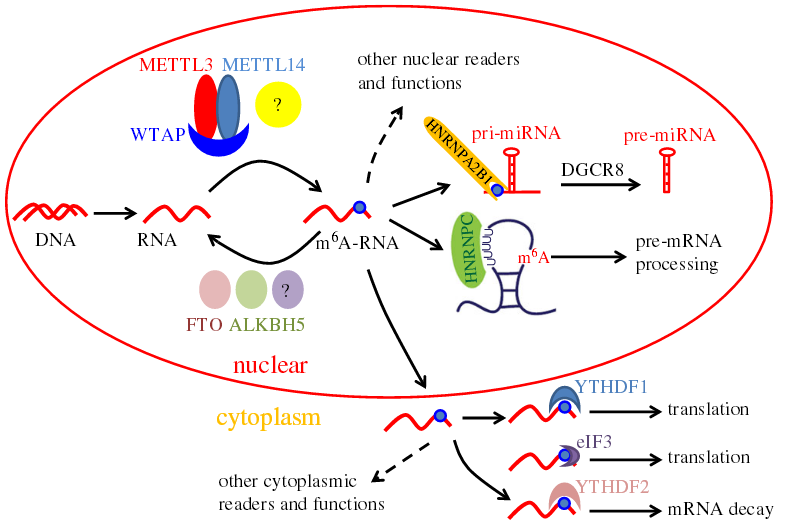
提取病毒RNA方法分別有:異硫氰酸胍的提取病毒RNA方法、TRIzol LS提取法、Trizol法提取法等等...
2020/7/22 20:29:26

細胞培養耗材技術領先性
細胞培養板行業面臨的核心痛點是:常規TC處理后表面親水角隨時間衰減,影響長期培養穩定性,BIOFOUNT高分...
2026/4/28 15:12:51

細胞培養耗材關鍵性能
細胞培養板的水接觸角作為表面潤濕性的核心指標,直接影響細胞貼壁、增殖、分化及功能表達,其中40°(低接觸角/...
2026/4/28 14:52:44

chelex 100樹脂國產替代之路-BIOFOUNT范德生物
Chelex 100螯合離子交換樹脂對銅、鐵和其他重金屬?的偏好顯著高于對鈉、鉀等一價陽離子的偏好。它對二價...
2025/11/4 14:22:46
9月開學季——助研新學期 范德送好禮
2025/8/28 15:30:55
Waxfilm 實驗室封口膜:技術與國際市場的雙重突破
在實驗室耗材領域,封口膜是保障實驗準確性與穩定性的關鍵產品之一。近年來,Waxfilm?實驗室封口膜憑借其卓...
2025/5/13 13:03:40
Waxfilm實驗室封口膜的5大突破
Waxfilm實驗室封口膜作為生物功能膜領域的國產技術突破和品牌突破,是生物領域中國技術發展的縮影。
2025/5/6 17:02:07

各種微流控芯片鍵合方法的優缺點
微流控芯片鍵合:目前主要有激光焊接、熱壓鍵合、膠鍵合、超音波焊接,每種方法都有各自的優缺點。本文主要介紹聚酯...
2023/7/28 10:43:09

新一代微流控鍵合解決方案
微流控鍵合解決方案:微流控芯片制造的一個重要環節,也是最容易被忽視的--芯片鍵合。其中一個重要因素是:微流控...
2023/7/27 12:44:28